

Muscle Building Workout Plan
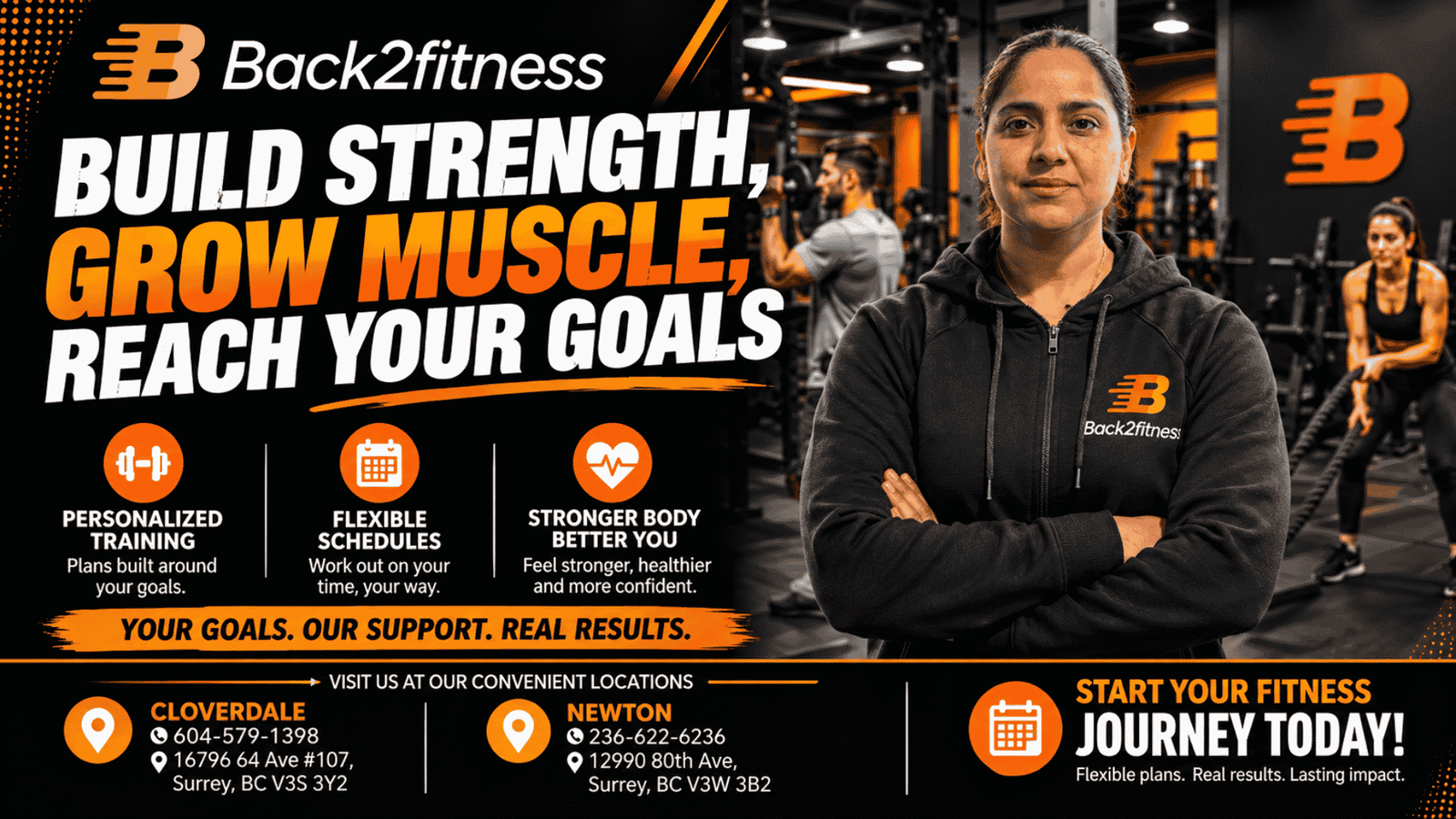
Muscle Building Workout Plan: A Practical Guide to Building Strength and Muscle
Building muscle is not simply about lifting the heaviest weight you can find. Real progress comes from combining smart training, proper nutrition, recovery, and consistency. Whether you are new to strength training or have been working out for years, having a structured approach can help you train with purpose and make steady improvements.
A good muscle building workout plan should match your fitness level, goals, schedule, and recovery ability. Instead of constantly changing exercises, focus on learning proper technique, gradually increasing the challenge, and giving your body enough time to adapt.
Why a Structured Workout Plan Matters
Walking into the gym without a plan can make your workouts inconsistent. You might train chest several times in one week while barely working your legs or back. A structured routine helps you create balance and ensures that major muscle groups receive appropriate attention.
Strength training creates a stimulus that encourages your muscles to adapt. With repeated training and adequate recovery, you can gradually become stronger and develop more muscle.
Your routine does not have to be complicated. Basic movements such as squats, presses, rows, pull-downs, lunges, and hip-hinge exercises can form the foundation of an effective program.
Focus on Proper Exercise Technique
One of the biggest mistakes people make when trying to build muscle is focusing only on the amount of weight they lift.
Good form should come first. Controlled movements allow you to work the intended muscles more effectively while helping you maintain better control throughout each repetition.
Start with a weight that allows you to perform the exercise correctly. Once your technique becomes comfortable, you can gradually increase resistance.
If you are unsure about your technique, working with a qualified personal trainer can be helpful. A trainer can demonstrate movements, provide feedback, and help you select exercises that fit your experience level.
Gradually Increase the Training Challenge
Muscle growth requires your workouts to become more challenging over time. This concept is commonly known as progressive overload.
You do not need to increase the weight during every workout. Progress can come from adding a few repetitions, increasing resistance gradually, improving your technique, performing an additional set, or gaining better control over an exercise.
For example, if you can comfortably perform 10 repetitions with a particular weight while maintaining proper form, you may eventually increase the resistance and work toward your target repetitions again.
The goal is steady improvement rather than rushing through your progression.
Nutrition Supports Muscle Growth
Training is only one part of the equation. Your body also needs sufficient nutrients to support muscle repair and growth.
Protein is particularly important because it provides amino acids that your body uses to repair and maintain muscle tissue. Good protein sources can include eggs, dairy products, fish, beans, lentils, tofu, and other protein-rich foods.
Carbohydrates can provide energy for demanding workouts, while healthy fats support overall nutrition. Rather than relying on a single food, aim for a balanced diet that provides enough calories and nutrients for your individual goals.
If you are unsure how much food or protein you need, consider speaking with a qualified nutrition professional.
Hydration Should Not Be Ignored
Water is another important part of your training routine. Even mild dehydration can make workouts feel more difficult.
Keep water available throughout the day and drink regularly, particularly around exercise. Your fluid needs can vary depending on factors such as workout intensity, temperature, and how much you sweat.
Staying hydrated can help you feel more comfortable and prepared for your training sessions.
Recovery Is Part of the Program
Your muscles do not grow simply because you exercise them. Recovery gives your body an opportunity to repair and adapt after training.
Aim for around 7–9 hours of quality sleep each night when possible. Sleep is important for overall physical and mental recovery.
Rest days are also valuable. You do not need to train intensely every day to make progress. If you continually push through fatigue without allowing adequate recovery, your performance can suffer.
Light walking, mobility work, stretching, or other low-intensity activities can be useful on recovery days, depending on your needs.
Track Your Progress
Keeping track of your workouts can make it easier to see whether you are actually progressing.
Record exercises, sets, repetitions, resistance, and other useful observations. You can also track measurements, body weight, or progress photos if they are appropriate for your goals.
Progress is not always visible from one week to the next. Sometimes you may notice that you are lifting more weight, completing additional repetitions, or performing an exercise with better control before you notice major physical changes.
Small improvements add up when you remain consistent.
Avoid Chasing Quick Results
Building muscle takes time. Social media can create unrealistic expectations because people often see carefully selected photos rather than the months or years of training behind them.
Instead of looking for shortcuts, focus on habits you can maintain. Train consistently, eat appropriately, stay hydrated, sleep well, and give your body time to recover.
The best routine is usually not the most complicated one. It is the one you can perform consistently while gradually improving.
Build a Routine That Fits You
Everyone has different training experience, schedules, goals, and recovery needs. A beginner may require a different approach from someone who has been lifting consistently for several years.
At Back2Fitness, personal training can provide additional guidance when you want help learning exercises, organizing your workouts, or staying accountable. A trainer can help you create a practical approach based on your current fitness level and goals.
There are no shortcuts to sustainable progress. Focus on small improvements, stay patient, and keep showing up. Over time, those small improvements can turn into meaningful strength and muscle gains.


